
Loading...
Serving New Braunfels, TX and surrounding areas. (830) 402-1940
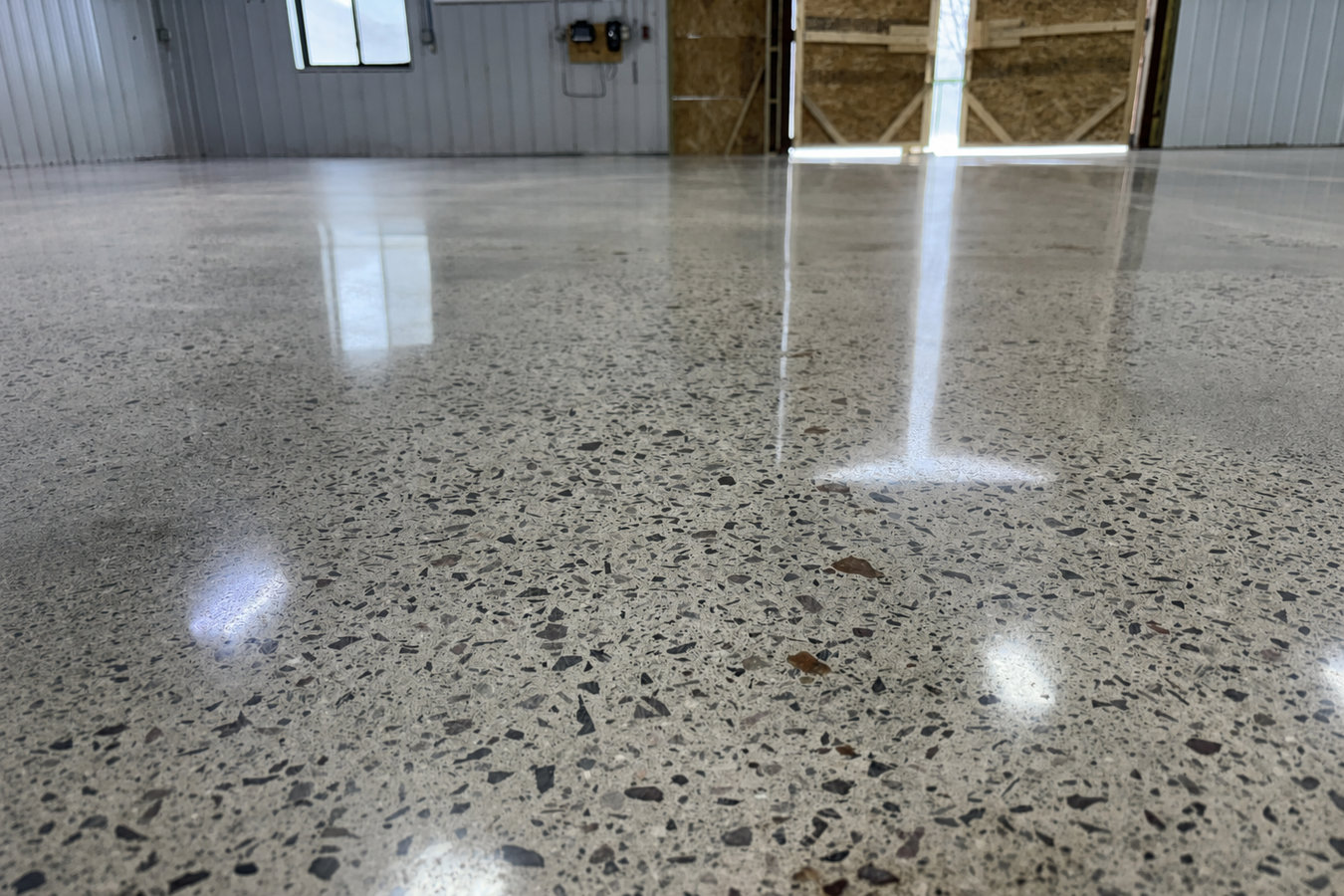
New Braunfels hard water leaves chalky deposits on unsealed concrete. The Texas sun breaks it down faster than most people expect. Sealing your driveway, patio, or pool deck now is a fraction of the cost of repairing or replacing it later.
Concrete sealing in New Braunfels puts a thin protective layer on your driveway, patio, or pool deck that keeps water, oil, and the mineral-heavy local hard water from soaking in - most jobs take a single morning or afternoon to complete, and the surface is back in use within 24 to 48 hours. Think of it like a raincoat for your concrete: liquids bead up and wipe away instead of penetrating the surface and leaving stains, deposits, or slowly widening cracks behind.
New Braunfels sits on limestone bedrock, and the local water carries high levels of dissolved calcium and magnesium as a result. On unsealed concrete, every watering cycle and rainstorm deposits those minerals on the surface - the chalky white patches so common on driveways and patios here. Sealing stops that cycle. If your surface is already significantly deteriorated or has old coating that needs to come off first, our concrete grinding and surface preparation service handles that step before the sealer goes down.
The Portland Cement Association notes that sealing concrete protects against surface degradation from water intrusion, UV exposure, and chemical penetration - all three of which are active concerns in this climate. Homeowners who seal regularly tend to spend less on repairs over time, because small cracks never get a chance to absorb water and grow.
Pour a small cup of water on your driveway or patio. If it soaks in within a minute or two and darkens the concrete, the sealer has worn off and the surface is unprotected. This is the clearest sign it is time to reseal - and in New Braunfels summers, an unprotected surface absorbs heat and moisture far faster than a sealed one.
Those white or grayish deposits are mineral buildup from the hard water common throughout the New Braunfels area. They mean water has been soaking into the concrete and leaving dissolved calcium and magnesium behind as it evaporates. Sealing will stop new deposits from forming - and a thorough contractor will clean the existing ones off before the sealer goes down.
Hairline cracks in a driveway or patio are normal, especially on the clay-heavy soils found in much of New Braunfels. But once water gets into those cracks, they widen - especially during the freeze-thaw cycles that happen a few times each winter. If you can see cracks that were not there a year ago, sealing now is far cheaper than waiting until the damage requires patching or slab replacement.
If your concrete has lost its original color and leaves a chalky residue on your shoes, the surface is breaking down from UV exposure. This is especially common on south- and west-facing patios in New Braunfels that get direct afternoon sun for most of the year. Sealing restores some of the color and stops the surface from continuing to degrade.
Not all sealers work the same way, and the right choice depends on the surface and how you use it. Penetrating sealers - silane or siloxane-based products - soak into the concrete and protect from the inside without changing how the surface looks. These are ideal for driveways and walkways where you want protection without a glossy finish, and they work well against the mineral-heavy water that causes efflorescence across New Braunfels. Film-forming sealers sit on top of the surface and add a visible sheen - from a subtle matte to a full wet look - and are popular for decorative patios, pool decks, and any surface where appearance matters as much as protection. For surfaces where the existing finish or old sealer needs to come off before new sealer goes down, we combine this service with our concrete grinding and surface preparation work to make sure the new sealer bonds to clean, open concrete.
Every sealing job we do starts with a thorough surface cleaning - pressure washing and, for oil stains or mineral deposits, chemical treatment before the sealer touches the concrete. A sealer applied over a dirty or damp surface will peel, cloud, or turn white within months. For surfaces in better overall shape that need more than sealing - cracks filled, surface leveled, or a new decorative finish applied - our polished concrete flooring service covers concrete refinishing that includes a sealer as part of the process.
Best for driveways, walkways, and surfaces where you want maximum protection against water and minerals without any change to the surface appearance.
Best for patios, pool decks, and decorative surfaces where a visible sheen - matte to wet-look - adds to the appearance while still protecting the concrete.
Best for driveways and patios with hairline or surface cracks that need to be filled before sealing to prevent water intrusion and further widening.
Best for New Braunfels surfaces showing white mineral deposits - thorough chemical cleaning to remove existing buildup, then sealing to prevent it from returning.
Three things work against unsealed concrete in New Braunfels that are more intense here than in most Texas cities. First, the water. The Hill Country limestone bedrock loads local water with dissolved calcium and magnesium - some of the hardest water in the state. Every time that water touches unsealed concrete, it deposits minerals on the surface. Seal the concrete and you stop the cycle. Leave it bare and you are fighting the white chalky buildup indefinitely. Second, the soil. New Braunfels sits at the edge of the Blackland Prairie, where clay soils expand with rain and shrink during dry spells. That seasonal movement creates and widens cracks in driveways and patios faster than homeowners in more stable-soil cities experience. Sealing those small cracks while they are still small is a maintenance task that pays for itself many times over.
Third, the heat and sun exposure. New Braunfels outdoor living spaces - patios, pool decks, and driveways - face intense direct sun for much of the year, and UV breaks down unsealed concrete faster than most homeowners expect. Homeowners in New Braunfels and in Wimberley who use their outdoor spaces year-round tend to find that their surfaces need resealing more frequently than the national two-to-three-year recommendation - particularly south- and west-facing patios that absorb direct afternoon sun through the long summer. Sealing on a regular schedule is significantly less expensive than repairing or resurfacing a surface that was left unprotected too long.
We respond within one business day. We will ask a few quick questions - what surface needs sealing, roughly how large it is, and whether you have noticed cracks or mineral buildup - so we can give you a realistic range before we visit.
We walk the surface with you and point out anything that needs attention before sealing - cracks to fill, deposits to clean, or old peeling sealer to strip. You get a written price before any work begins. No surprises on the day of the job.
The crew pressure-washes the surface and uses chemical cleaners where needed for oil stains or mineral deposits. This step takes longer than most homeowners expect - the concrete must be completely clean and dry before any sealer is applied. We do not rush this part.
Sealer goes on in even passes by roller or sprayer - one or two coats for most residential surfaces. Stay off the surface on foot for 24 hours and keep vehicles off for 48 to 72 hours. Keep sprinklers off the area for at least 24 hours after application. Your contractor will give you specific timelines in writing.
Spring slots fill up fast in New Braunfels. We respond within one business day and give you a written price after walking the surface - no obligation.
(830) 402-1940We walk the surface with you, explain what we find, and give you a clear price before the crew shows up. Homeowners in New Braunfels have told us the experience of getting a vague quote and then being surprised by the final bill is common in this trade. That does not happen here - the quote covers everything we identified during the walkthrough.
Good prep is what separates a sealer that holds for three years from one that starts peeling after the first summer. We clean the surface thoroughly before anything goes on - pressure washing, chemical treatment for stains and mineral deposits, and crack filling where needed. The American Concrete Institute recognizes surface preparation as the foundational step in any successful sealing application.
The hard water and limestone geology of the New Braunfels area creates a mineral deposit problem that is more pronounced here than in most Texas cities. We know which cleaners and sealer types work best against the efflorescence that builds up on local driveways and patios - and we factor that into every job we do in Comal County.
Most sealers cannot be applied in New Braunfels summer heat without compromising the bond. We schedule around the weather and check the forecast before confirming your date - so you do not end up with a rushed job done on a 105-degree surface that starts peeling before the next season.
Concrete sealing is one of the most cost-effective maintenance tasks a New Braunfels homeowner can do. Done right and done on schedule, it protects your investment, keeps your surfaces looking clean, and prevents the slow damage that turns a simple sealing job into an expensive repair.
When your concrete needs more than sealing - cracks, surface damage, or a completely new look - resurfacing applies a fresh layer on top of the existing slab.
Learn MoreFor interior floors that need both protection and a refined finish, polished concrete delivers a sealed, reflective surface built into the grinding and densifying process.
Learn MoreNew Braunfels spring and fall booking windows go fast. Call or submit a form today - we will walk your surface, quote the job in writing, and get you on the schedule before the heat makes timing difficult.